
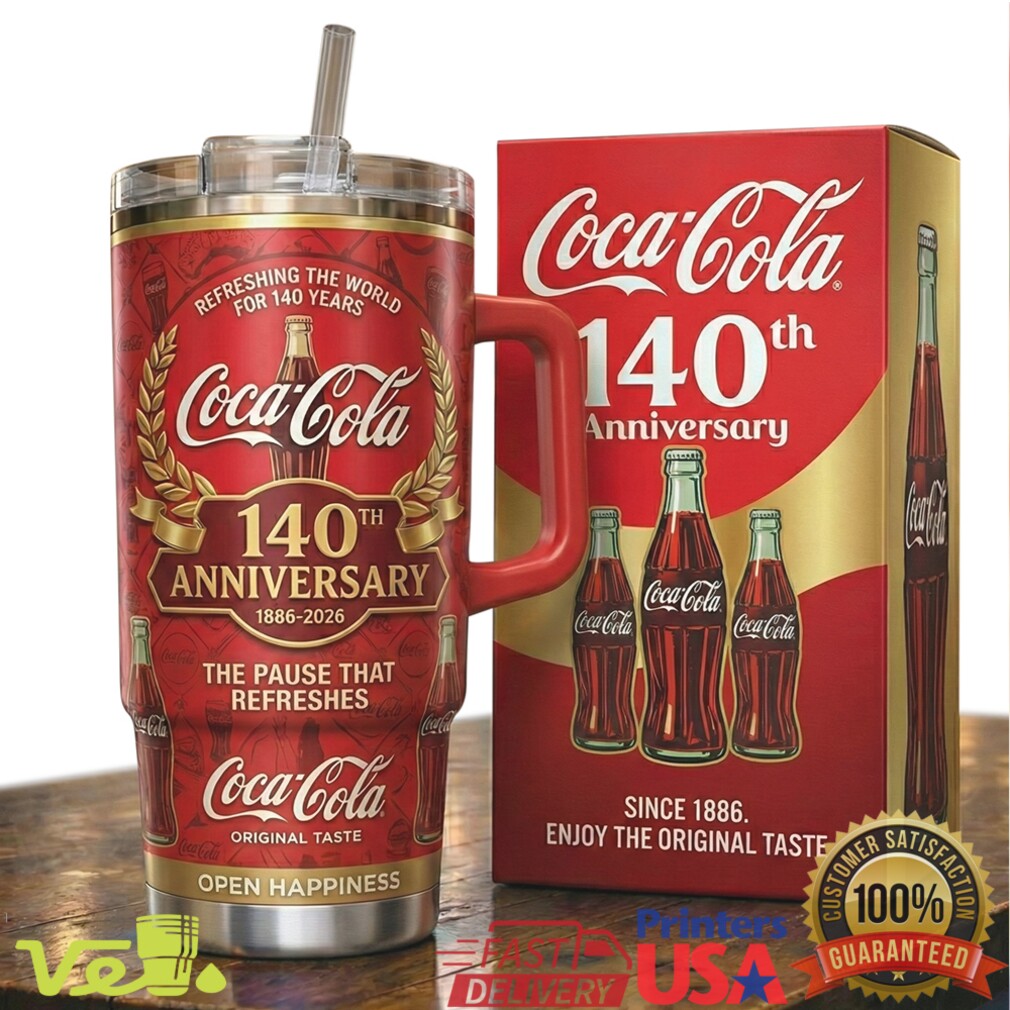
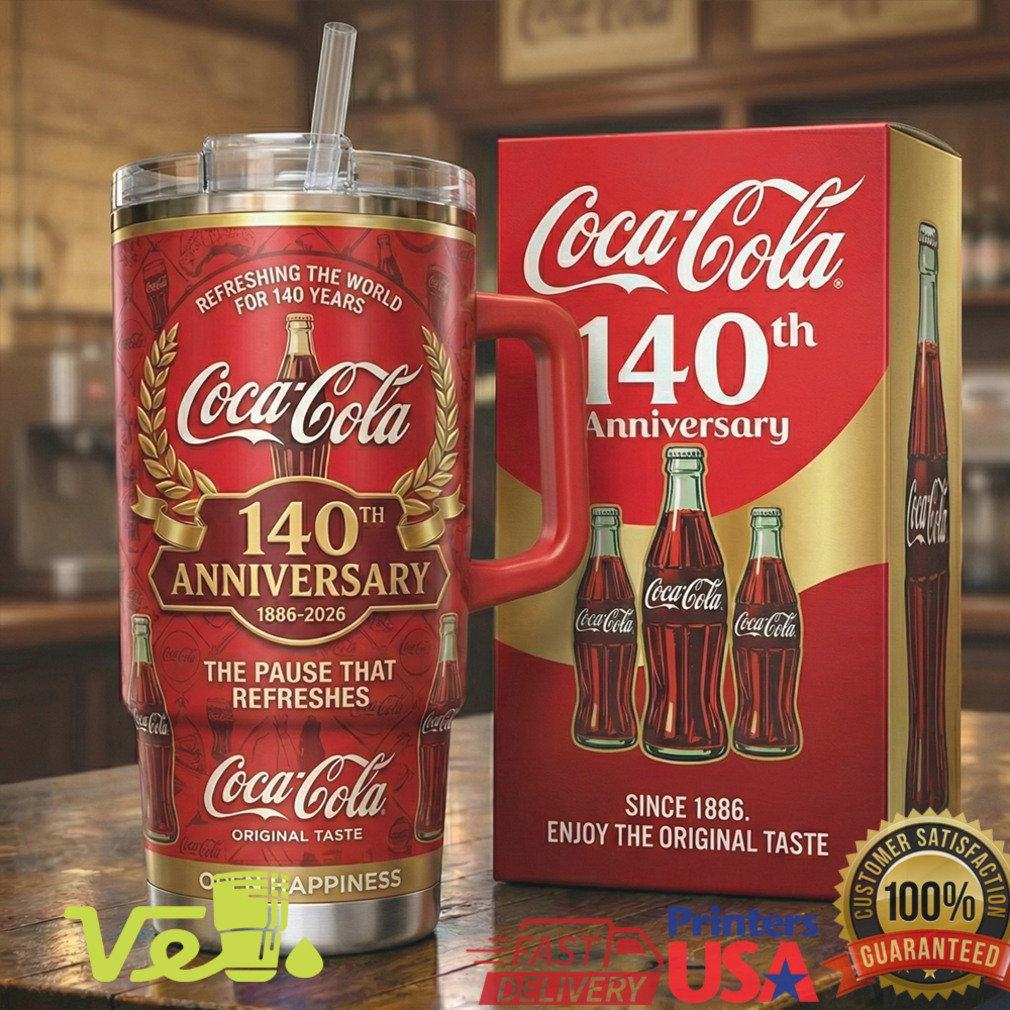
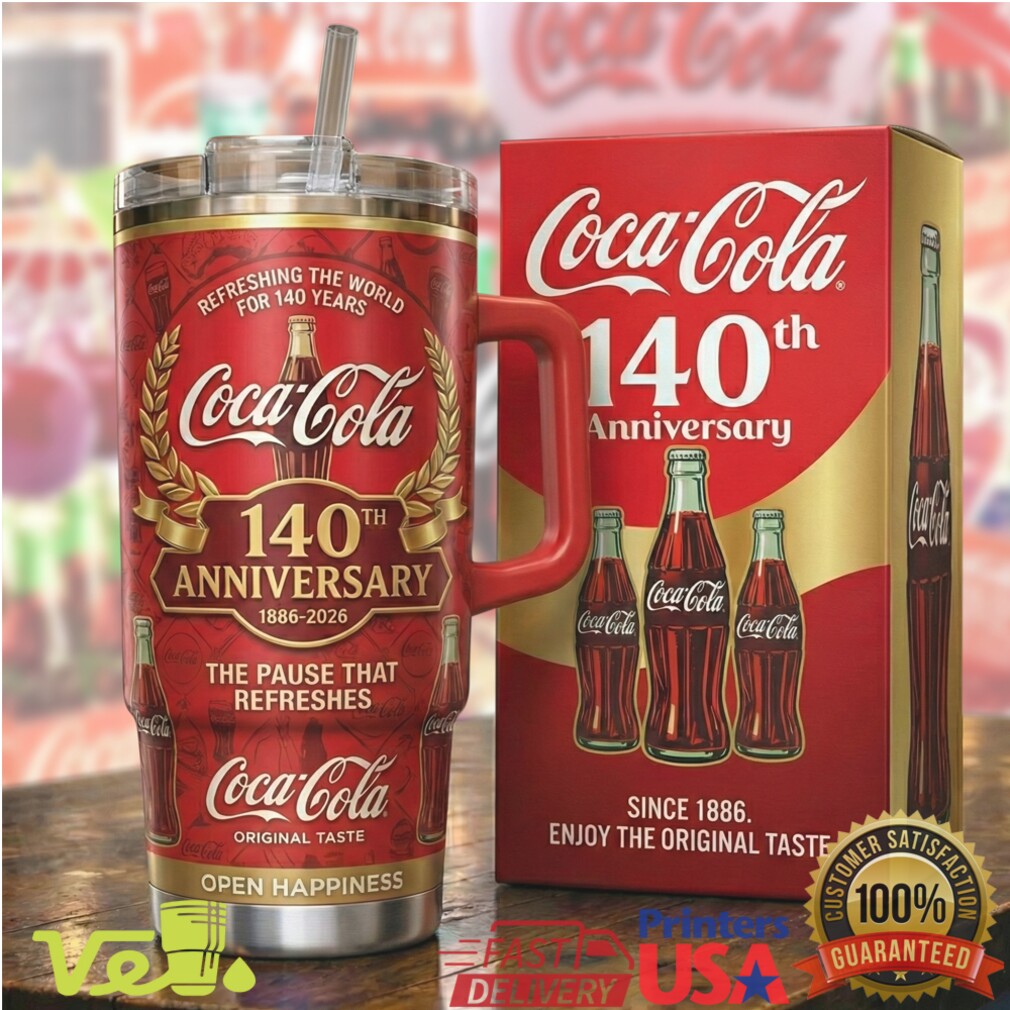
Coca Cola 140th Anniversary 1886 2026 Refreshing The World Original Taste Beverage Tumbler
Original price was: $54.99.$42.15Current price is: $42.15.
Sale!


Estimated arrival
May 01
May 04 - May 02
May 06 - May 08

In Korea, where it’s called Seollal, there’s also a complicated political history behind the Coca Cola 140th Anniversary 1886 2026 Refreshing The World Original Taste Beverage Tumbler. According to UC Davis associate professor of Korean and Japanese history Kyu Hyun Kim, Lunar New Year didn’t become an officially recognized holiday until 1985 despite the fact that many Koreans had traditionally observed it for hundreds of years. Why? Under Japanese imperialist rule from 1895 to 1945, Lunar New Year was deemed a morally and economically wasteful holiday in Korea, Kim said, despite the fact that Lunar New Year has always been one of the country’s biggest holidays for commercial consumption. But Koreans never stopped celebrating Lunar New Year simply because the government didn’t recognize it as a federal holiday, Kim said. So as South Korea shifted from a military dictatorship towards a more democratized society in the 1980s, mounting pressure from the public to have official holidays and relax the country’s tiring work culture led to the holiday being added to the federal calendar as a three-day period.
(Coca Cola 140th Anniversary 1886 2026 Refreshing The World Original Taste Beverage Tumbler)Coca Cola 140th Anniversary 1886 2026 Refreshing The World Original Taste Beverage Tumbler, V-neck, Sweater Hoodie and Long Sleeve tee
Though many people refer to the holiday as Chinese New Year, Chinese people aren’t the Coca Cola 140th Anniversary 1886 2026 Refreshing The World Original Taste Beverage Tumbler who celebrate. The holiday, which is Friday, Feb. 12, this year, is widely celebrated across East Asia and some parts of Southeast Asia. As such, the holiday goes by many names Tết in Vietnam, Losar in Mongolia, Imlek in Indonesia and Tsagaan Sar in Tibet, to name a few. Many of these communities traditionally hand out gifts like mandarin oranges or red envelopes filled with money, usually from an elder to children, or unmarried people. The Iu-Mien community, a Southeast Asian minority group from China, traditionally gives out dyed red eggs. Many East Asian communities will also light firecrackers, clean their houses from top to bottom useful during a pandemic and burn paper money for their ancestors. And lion dances, although commonly associated with Chinese culture, can be found in Lunar New Year celebrations across Vietnam, Korea, Tibet and Indonesia. One might also wear traditional outfits, such as Korean hanboks, or play games like yut and mahjong.
(Coca Cola 140th Anniversary 1886 2026 Refreshing The World Original Taste Beverage Tumbler)Be the first to review “Coca Cola 140th Anniversary 1886 2026 Refreshing The World Original Taste Beverage Tumbler”
Related products
Sale!


Original price was: $54.99.$42.15Current price is: $42.15.
Sale!


Original price was: $54.99.$42.15Current price is: $42.15.
Sale!


Original price was: $54.99.$42.15Current price is: $42.15.
Sale!


Original price was: $54.99.$42.15Current price is: $42.15.
Sale!


Original price was: $54.99.$42.15Current price is: $42.15.
Sale!


Original price was: $54.99.$42.15Current price is: $42.15.
Sale!
Original price was: $54.99.$42.15Current price is: $42.15.
Sale!


Original price was: $54.99.$42.15Current price is: $42.15.
HAPPY CUSTOMERS, HAPPY US
There are no reviews yet.